iPhone 16 vs iPhone 16 Plus: Battery Life
Choose the iPhone 16 Plus if evenings away from an outlet regularly leave your current phone running low. Apple lists 27 hours of video playback and 24 hours of streamed video for the Plus, against 22 and 18 hours for the iPhone 16. The smaller phone is a good fit for buyers who charge at work and value a lighter handset through the rest of the day. Both are 2024 models; these figures come from Apple’s U.S. specifications.
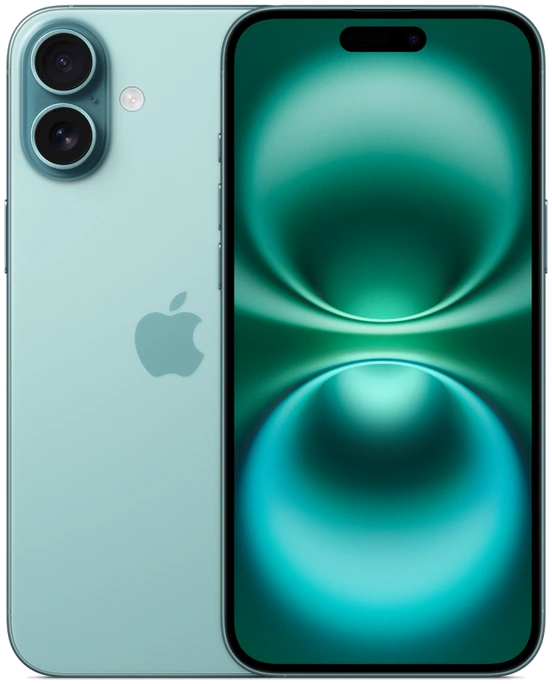
Read the two playback rows separately
Apple’s video figures give us two comparisons within the same generation. The Plus adds five hours in the video playback row and six in the streamed row. If you download a film before a flight, the first row is the closer reference. If you tend to watch a live broadcast or stream several episodes, the second row is more relevant. Neither row records a day of camera use, messaging and navigation.
The distinction matters on a delayed journey. Two hours waiting at a station could mean two hours watching a downloaded film, or frequent departures-board checks, a hotspot connection and calls. Those activities draw on different parts of the phone. Use the ratings to judge which model offers more breathing room, then consider the work you actually need it to finish.
| Published measure | iPhone 16 | iPhone 16 Plus |
|---|---|---|
| Video playback | Up to 22 hours | Up to 27 hours |
| Streamed video playback | Up to 18 hours | Up to 24 hours |
| Audio playback | Up to 80 hours | Up to 100 hours |
| Handset weight | 170 g | 199 g |
Find the longest gap in your own day
For a week, note the time you unplug in the morning, the remaining charge before dinner and any midday top-up. Keep one working day and one weekend outing separate. A phone that struggles on Saturday’s walk may spend most weekdays connected to a car or a desk monitor. Buying the larger body solves a problem more often if the long outing is part of your usual routine.
Think about what still has to work at the end of that gap. A return ticket, ride booking and a call home carry more weight than finishing a podcast. If those tasks routinely arrive after an afternoon of taking pictures, allow a reserve. A six-hour advantage in Apple’s streamed playback test cannot be added to the time you personally have left at dinner.
What a short charge can change
Apple lists roughly half a charge in about half an hour for both models under its fast-charge conditions. For the wired route it specifies a 20 W or higher adapter and a USB-C cable. Apple starts its fast-charge test with drained phones; a battery that already reads 70 percent will follow a different charging curve. A loose cable, an unknown hotel USB outlet or a shared adapter can also change what a short stop achieves.
If you reliably take lunch beside a compatible charger, the smaller phone gains a practical advantage: it can use that stop every day while keeping 29 grams out of your hand. If your break is spent boarding a train or walking to the next meeting, the larger battery reserve is available without coordinating another task.
Make the choice at the point of use
The Plus is 77.8 mm wide against 71.6 mm for the iPhone 16. Before choosing it for the playback figures, put a cased example in the pocket or small bag where the phone spends its day. Try opening a message with one hand. A model you comfortably take everywhere is worth more than hours of reserve on a device you prefer to leave behind.
On a used unit, inspect battery health and ask about replacement history. Check the same storage capacity and comparable physical condition on both offers. A heavily used Plus and a freshly serviced iPhone 16 bring different starting points to the comparison. When condition is similar, the Plus is the clearer pick for frequent long gaps; the iPhone 16 suits shorter gaps and a lighter daily carry.